
Bronze-cut pasta is dried pasta shaped by pressing dough through a bronze die. This process gives the noodles a slightly rough, matte surface that helps sauce cling to every bite. It's a small detail you might notice on a pasta package, but it can make a delicious difference once dinner hits the table!
Here's what makes bronze-cut pasta special:
- Rougher texture: Bronze dies create a slightly coarse, matte surface instead of the smooth finish found on regular pasta.
- Better sauce coverage: Those tiny bumps and grooves help sauces cling to the noodles.
- Higher price point: Bronze-cut pasta can cost a little more because of how it's manufactured.
- Easy to cook: You can prepare it just like regular dried pasta, following the package directions.
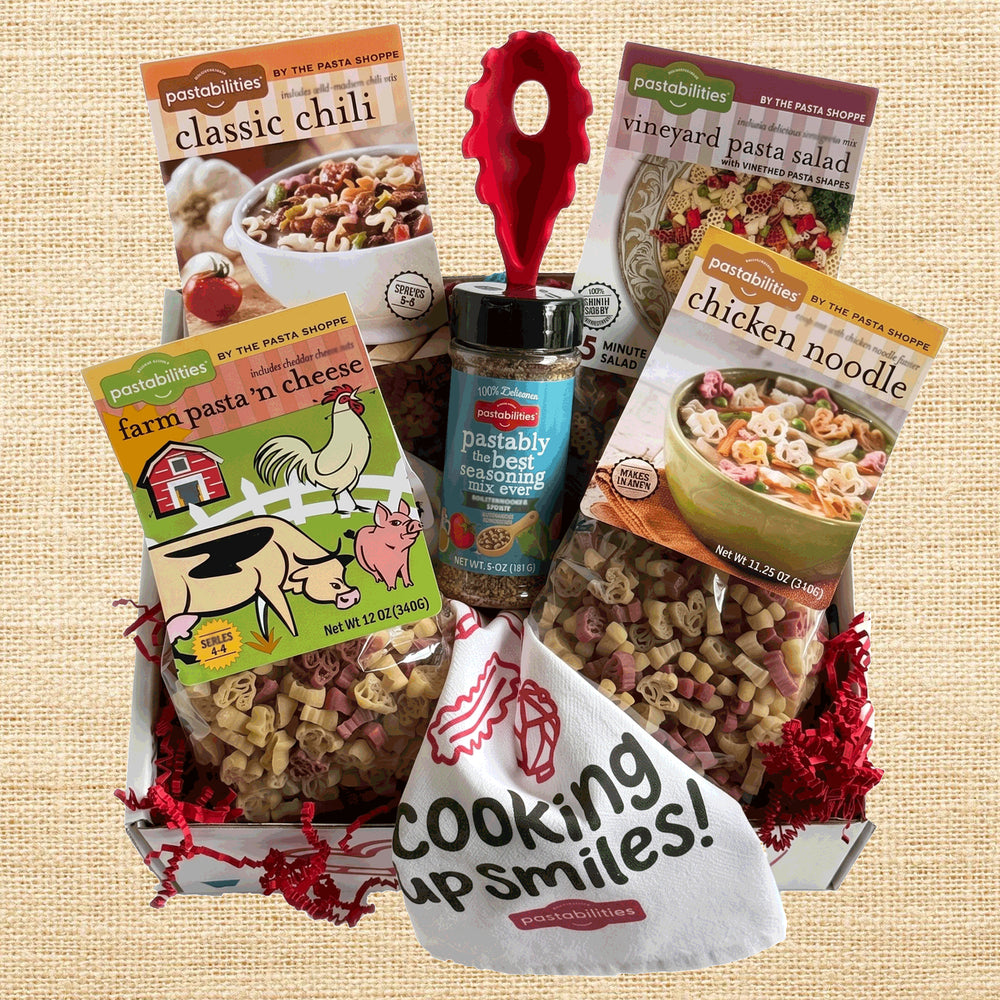
At Pastabilities, we love pasta that brings a little extra something to the dinner table! Our bronze-cut pasta combines that wonderful sauce-grabbing texture with fun, playful shapes that make mealtime more exciting for the whole family. From a cozy bowl of marinara to a delicious homemade pesto, there's plenty to love about these noodles.
Keep reading to learn how bronze-cut pasta compares to regular pasta, which sauces pair best with it, and how to cook it to perfection!
What Is Bronze-Cut Pasta?
Bronze-cut pasta gets its name from the equipment used to shape it. During production, pasta dough is pushed through a metal plate with specially shaped openings, called a die. These openings create familiar pasta shapes like spaghetti, penne, and rigatoni.
When that die is made from bronze, the dough experiences more friction as it passes through, leaving tiny irregularities on the pasta's surface. The result is a slightly rough, textured noodle that sauce can cling to.
You might also see pasta packages labeled bronze-die, bronze-extruded, or the Italian phrase trafilata al bronzo. They all describe the same basic production method.
And don't worry, there's no actual bronze in your pasta! The term simply refers to how the noodles are made, not their ingredients or nutritional value.
Bronze-Cut Pasta vs. Regular Pasta: What's the Difference?

Most everyday dried pasta is made using smooth, nonstick-lined dies. These create noodles with a relatively sleek, uniform finish.
Bronze dies, on the other hand, leave behind a rougher surface. That difference might seem small when you're looking at a box of uncooked noodles, but it can affect how your pasta looks, feels, and holds onto sauce.
1. Bronze-Cut Pasta Has a Rougher Texture
Take a closer look at two uncooked noodles. Bronze-cut pasta typically has a pale, matte finish that can look almost dusty. Pasta made with smooth-lined dies usually appears shinier and more polished.
That difference comes from the pasta's surface texture, not from any extra flour sprinkled onto the noodles.
2. Sauce Clings to the Noodles More Easily
Here's where that rough texture really comes in handy!
The tiny bumps and grooves on bronze-cut pasta give sauces more surface area to cling to. It's especially useful when making dishes with marinara, pesto, or a simple olive oil-based sauce.
Of course, the pasta's shape matters too. Ridged penne, curved elbows, and hollow rigatoni each hold sauce differently, regardless of how they're manufactured.
3. Bronze-Cut Pasta Can Cost More
You might notice that bronze-cut pasta comes with a slightly higher price tag.
Bronze dies can wear down faster than smooth-lined alternatives, and the manufacturing process can be slower. These factors can contribute to higher production costs.
That doesn't mean you need bronze-cut pasta for every meal, though! Regular pasta is still a wonderful choice for everything from quick weeknight dinners to family-favorite casseroles.
The Best Sauces for Bronze-Cut Pasta
Now for the fun part: what should you cook with it?
Because bronze-cut pasta has a textured surface, it's especially nice with sauces that coat the noodles. Here are three delicious combinations to try.
Marinara or Slow-Simmered Tomato Sauce

Recipe -> Classic Marinara Sauce
There's something so comforting about a big bowl of pasta with a rich tomato sauce!
Bronze-cut pasta pairs beautifully with marinara because its textured surface helps catch the sauce as you toss everything together.
For the best results, add your cooked pasta directly to the pan of warm marinara. Toss for about a minute, adding a splash of reserved pasta water if needed, until the noodles are evenly coated.
Finish with freshly grated Parmesan and a few basil leaves for an easy family dinner.
Fresh Basil Pesto

Recipe -> Everyday Basil Parsley Pesto
Pesto and bronze-cut pasta make a delicious combination, especially when you want something fresh and flavorful without spending hours in the kitchen.
The pasta's rough surface helps the pesto coat the noodles, bringing a little of that basil, garlic, and Parmesan goodness into every forkful.
Try loosening your pesto with a splash of warm pasta water before tossing everything together.
Need some inspiration? Explore our pesto sauce recipes for delicious ways to change up pasta night.
Creamy Chicken and Sun-Dried Tomato Pasta

Recipe -> Creamy Chicken and Sun Dried Tomato Pasta
For a hearty, comforting dinner, creamy chicken and sun-dried tomato pasta is a delicious choice!
Tender chicken, sautéed mushrooms, and sun-dried tomatoes come together in a rich Alfredo sauce with fresh basil, parsley, and Parmesan cheese. The sun-dried tomatoes add a lovely tanginess that balances the creamy sauce.
Bronze-cut pasta would work beautifully here, giving that velvety sauce plenty of texture to cling to. Plus, you can assemble the casserole ahead of time and freeze it for a future dinner. Perfect for those busy weeknights when cooking from scratch isn't on the agenda!
How to Cook Bronze-Cut Pasta
Good news! You don't need any special equipment or complicated techniques to cook bronze-cut pasta. The process is pretty much the same as cooking regular dried pasta.
Here's how to get that delicious, tender-but-firm texture:
- Bring your water to a boil. Fill a large pot with water, bring it to a rolling boil, and add salt to taste.
- Add the pasta. Give it a good stir during the first minute to help prevent the noodles from sticking together.
- Cook until al dente. Follow the package directions, but start tasting a noodle near the end of the recommended cooking time. You want it tender with a little firmness in the center.
- Save some pasta water. Before draining, scoop out a mug of the starchy cooking water. It's a handy trick for helping sauces coat your noodles.
- Toss with your favorite sauce. Add the drained pasta directly to your sauce and stir everything together. Pour in a little reserved pasta water as needed to get the consistency just right.
One helpful tip: Bronze-cut pasta doesn't necessarily take longer to cook than regular pasta. Cooking time depends on the noodle's shape, thickness, and ingredients, so always check the package directions.
Bring a Little More Personality to Pasta Night

Now that you know what makes bronze-cut pasta special, why not give it a try at your next family dinner?
At Pastabilities, our bronze-cut pasta is crafted to have that wonderfully textured surface that helps sauces cling to every bite. And with playful shapes ranging from dinosaurs to hearts, there's plenty of fun to be had at the dinner table!
Ready to taste the difference? Shop our bronze-cut pasta collection and find a new family favorite!